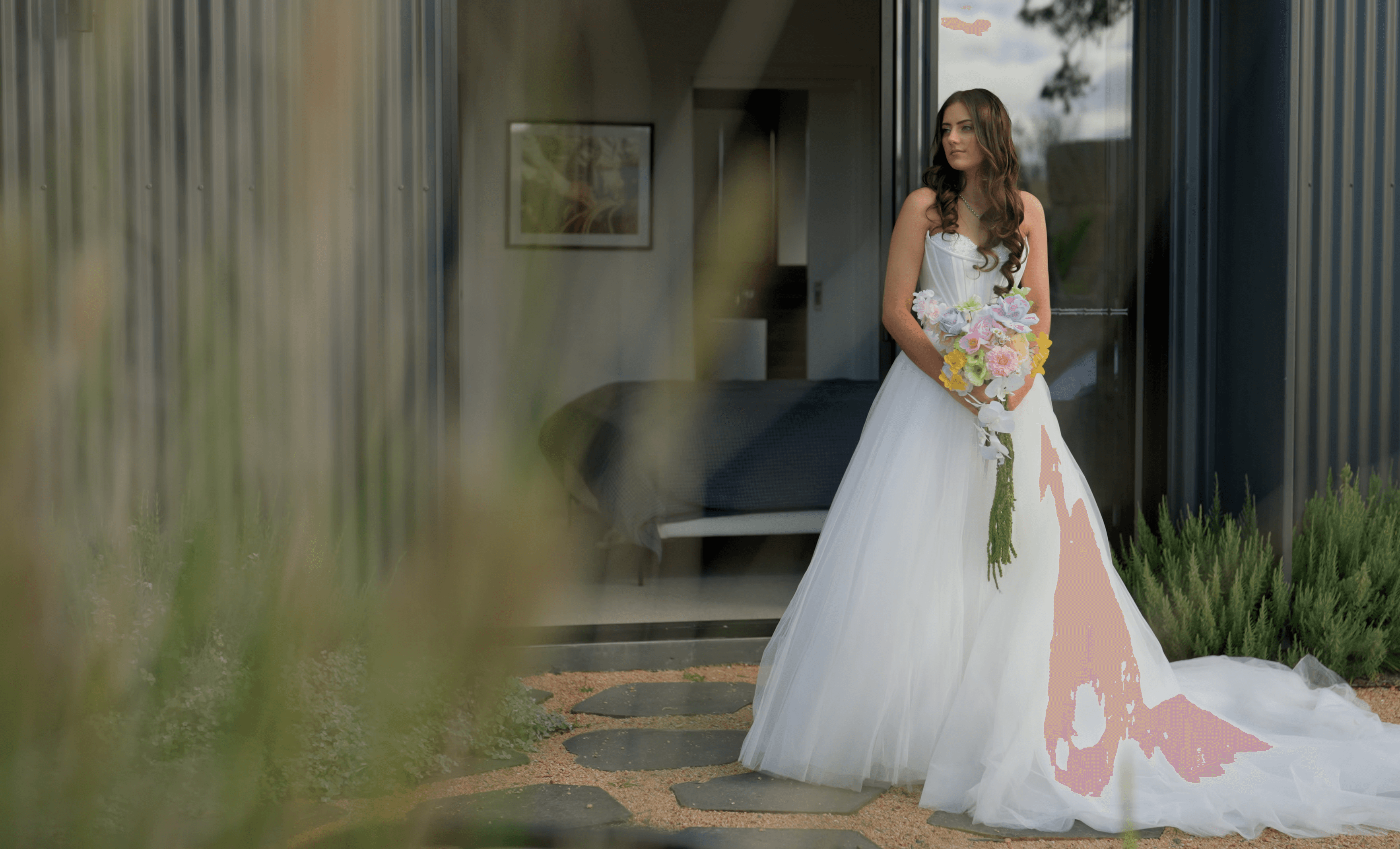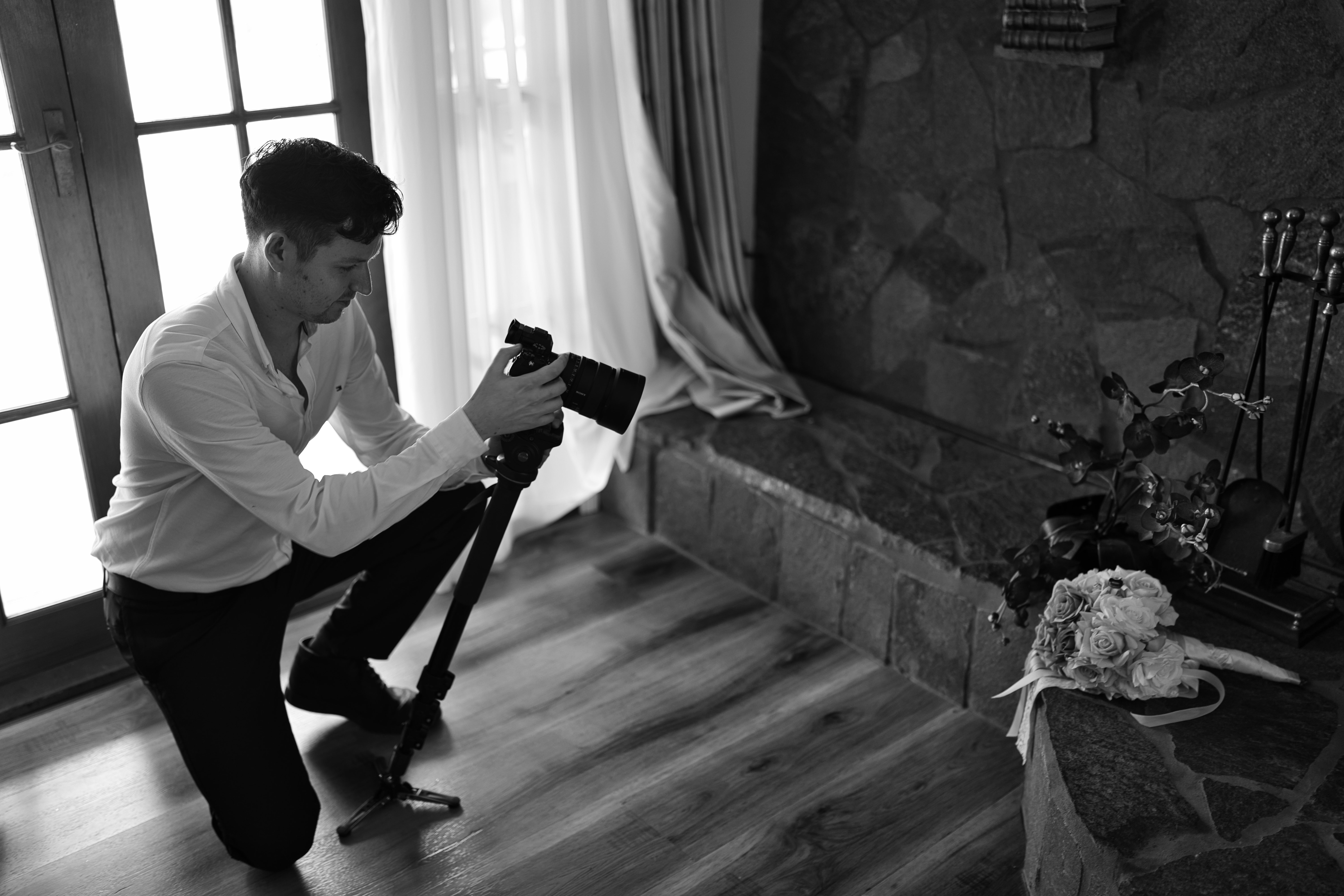
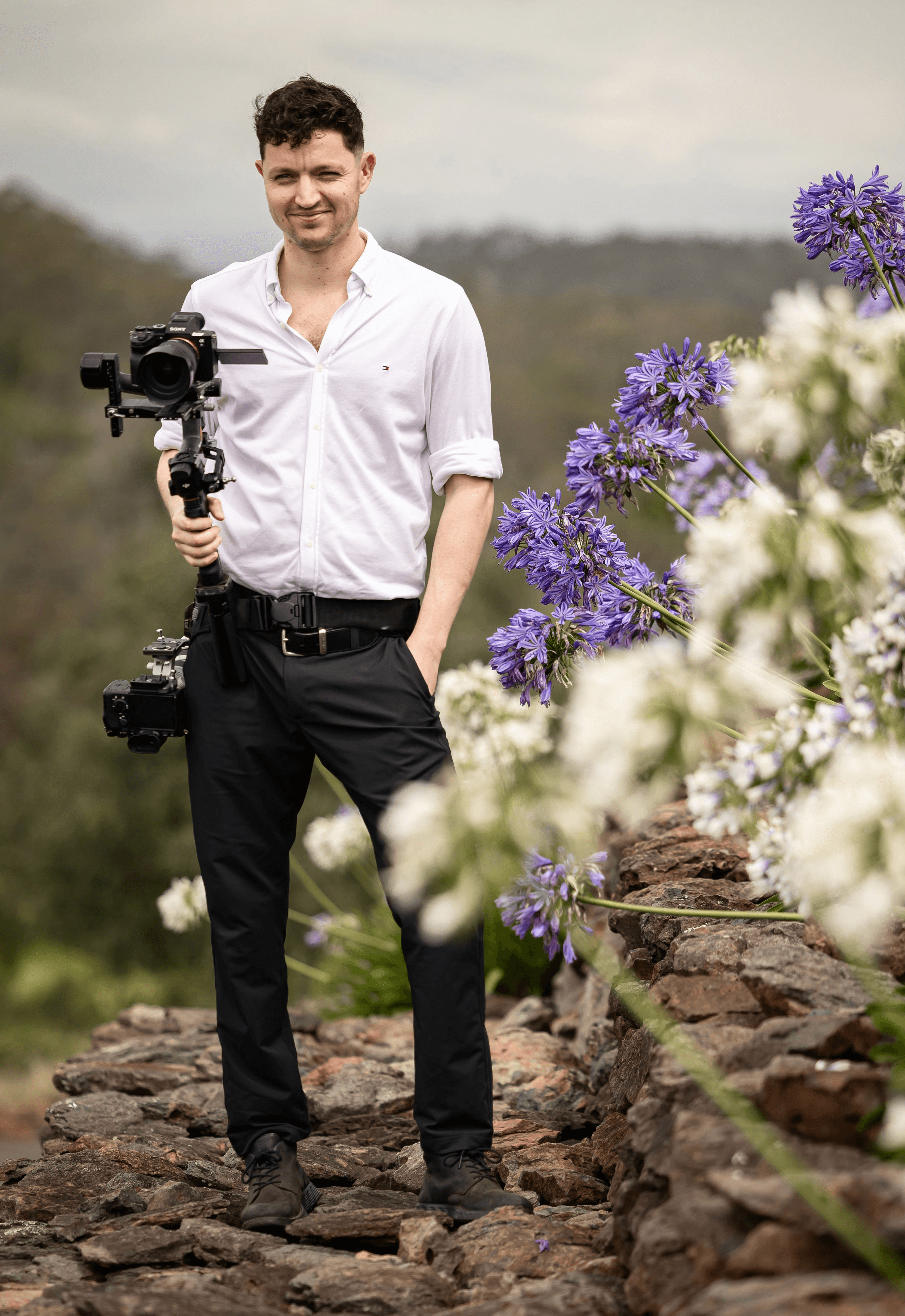
The difference is in how those elements are seen, captured and arranged. When a moment is held. When the music enters. How a speech carries into an image. How colour changes the feeling of a scene. How sound, movement and pacing work together to make the film feel like something more than a sequence of beautiful shots.
I am always refining the technical side of the work testing camera settings, studying colour, listening to new audio tools, improving workflow, and paying attention to the small details most people may never consciously notice.
Not because gear is the point. It is not.
It is all in service of making the best motion image I can, not a passable one. A film that feels considered. A film with weight. A film that lets people who were not even there feel pulled into the story.
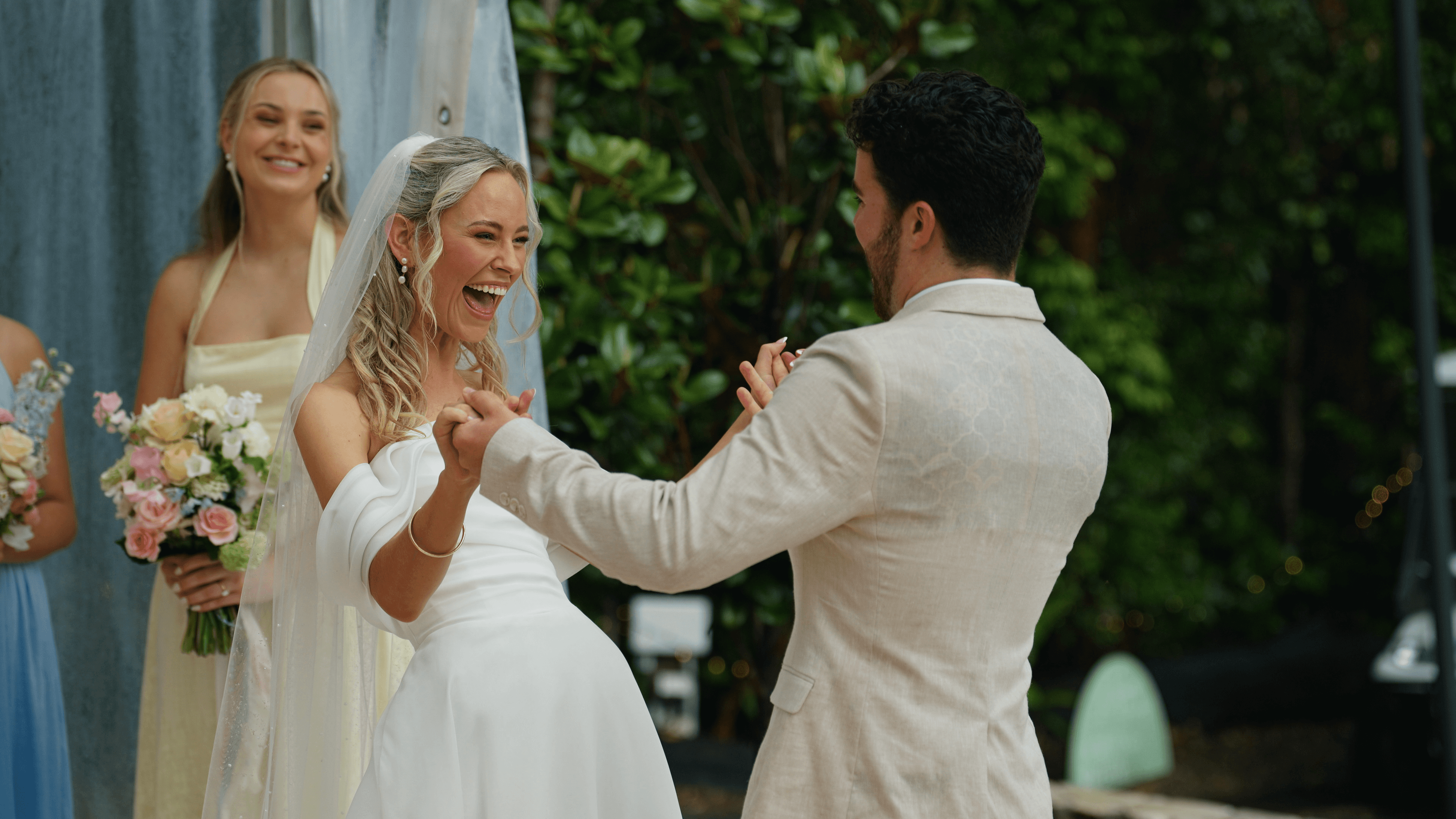
On the wedding day, I work quietly and deliberately.
I'm always considering what moments will anchor the film. What structure they'll support. What energy they'll carry against the right music. Shooting and editing are not separate processes for me they're one continuous act of construction that begins long before the wedding day.
On the day itself, I work documentary style with a hint of guidance when required. Underneath that documentary approach is a precise tactical system. I coordinate camera positions in advance. I read the room. I know where I need to be and when. The goal is that every significant moment is captured cleanly, from the right angle, without anyone being aware it's happening.
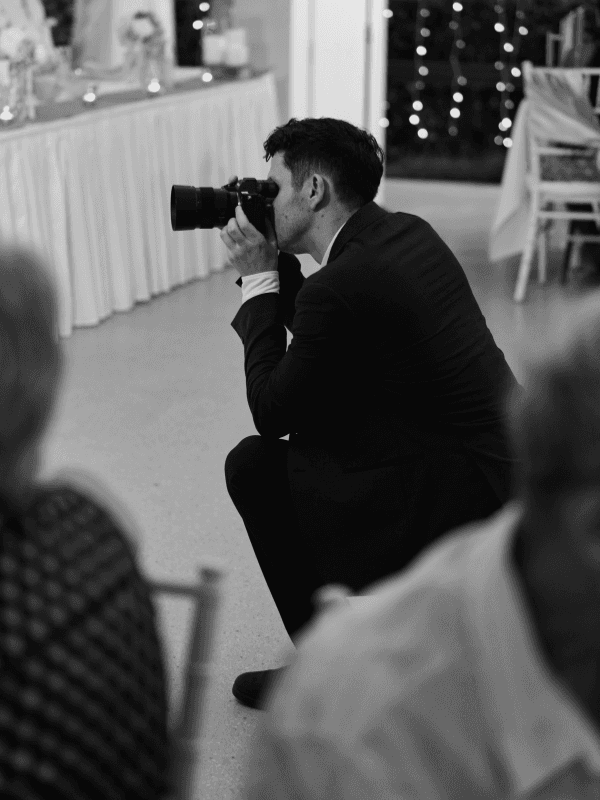
The music is chosen for your film, not borrowed from a formula. The pacing follows the energy of the day. The story is built around what actually happened and what it felt like to be there. That is the balance I care about most: a wedding day that feels natural while it is happening, and a film that feels deeply considered when it is finished.

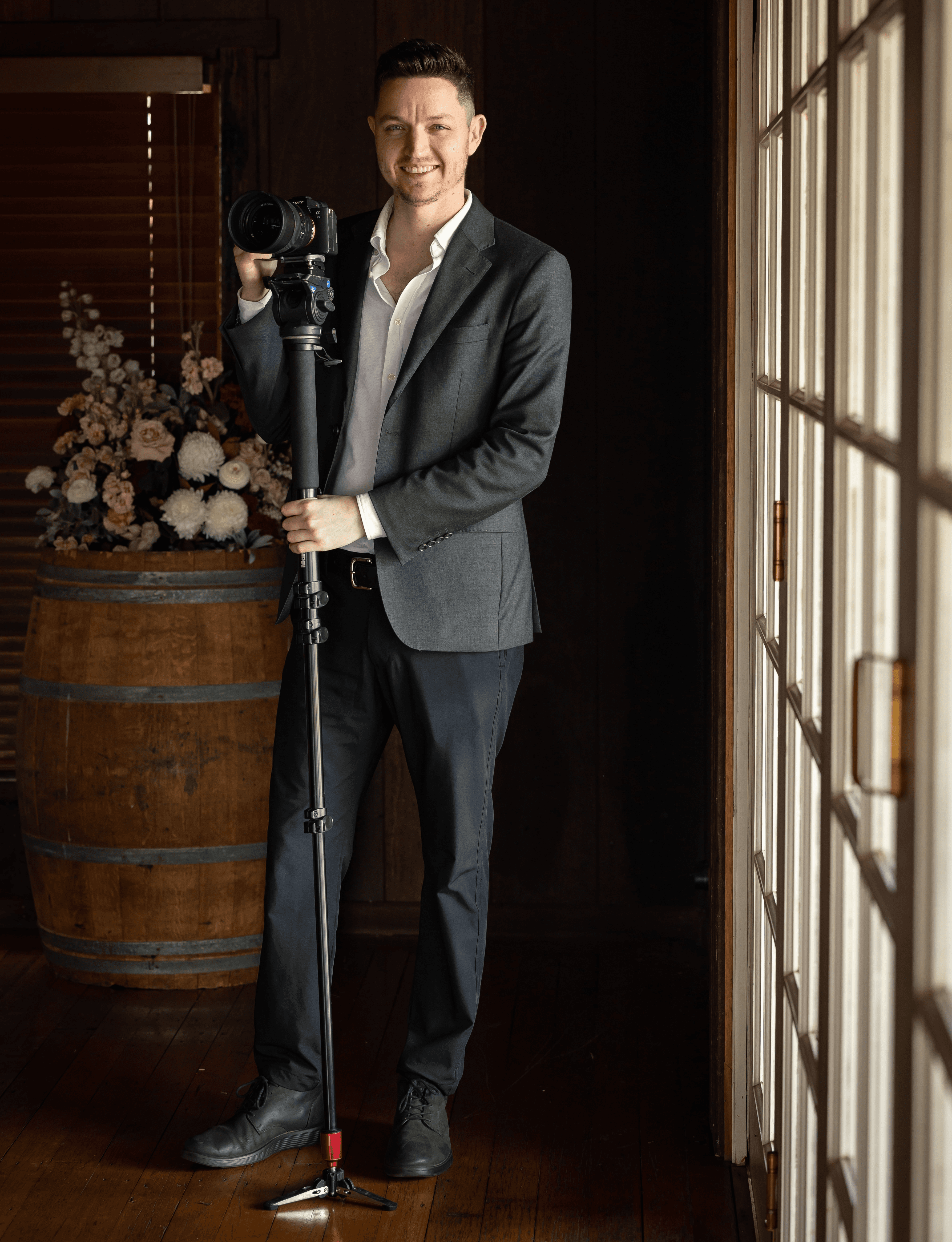
I care deeply about love, memory, family, beauty and the strange feeling of knowing a moment is already becoming part of someone’s history.
Not just the obvious moments, but the small ones that carry weight later. I also know weddings do not always unfold in perfect conditions. Light changes. Timelines shift. Wind arrives. Rain starts. The heat sets in. The cold does too.
None of that changes the standard.
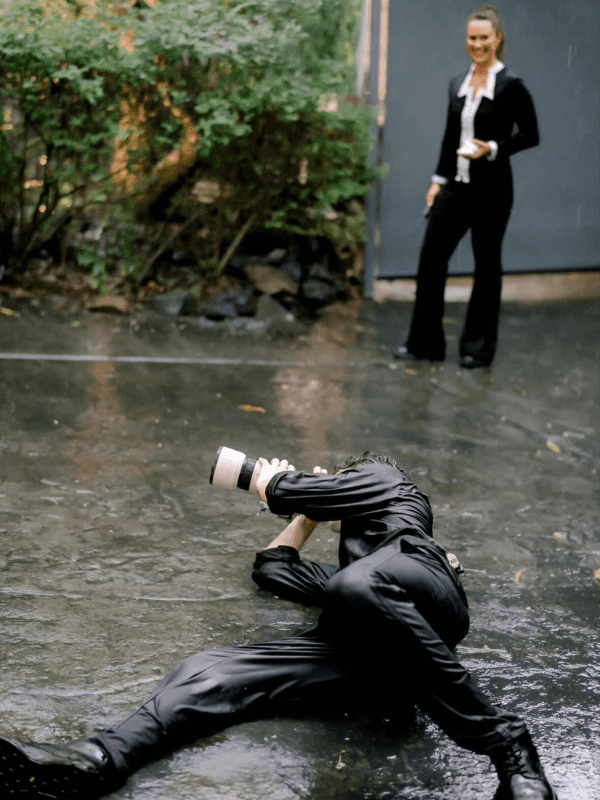
Getting the best motion images means adapting quickly, changing position, getting wet, working through heat, or staying focused when the conditions are uncomfortable, that is part of the work. The couple should not receive a lesser film because the day asked more of me.
I live by the standard. I die by the standard.
Not because the technical side is the point, but because the technical side protects the feeling. A film gives you something solid to return to long after the day has passed.
That responsibility is not lost on me.